
The Evolution of Rapid Prototyping: Shaping the Future of Low-Volume Manufacturing
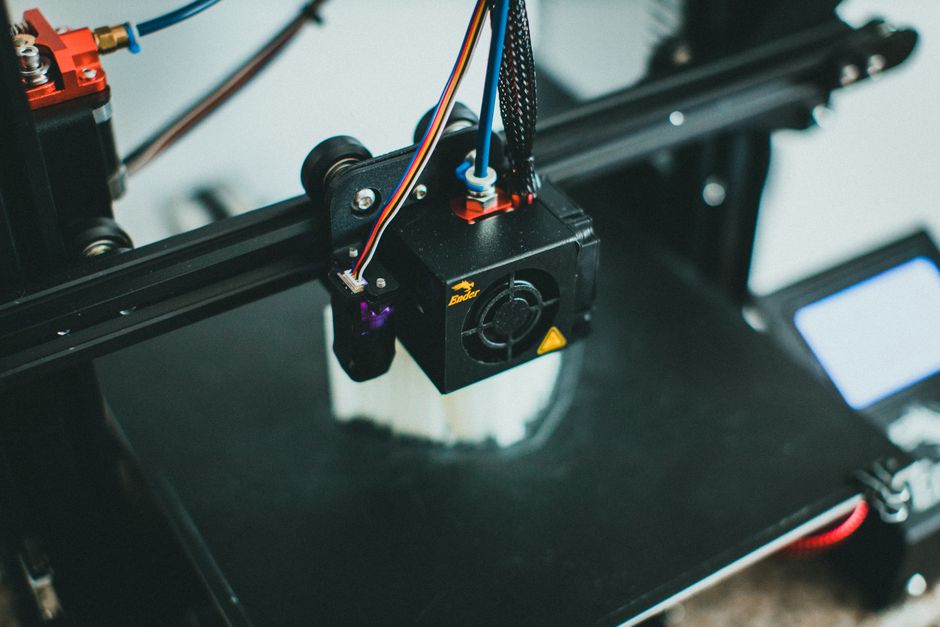

Amidst the rapid advancement in technology, the landscape of product design and manufacturing has seen a transformative shift, particularly with the introduction of UltiMaker S-series. As reported by AME-3D, this innovation is not just changing industrial manufacturing but extending its reach into sectors such as real estate, healthcare, and defense. The significance of these developments cannot be overstated for B2B manufacturers looking to stay ahead in the competitive market. The UltiMaker S-series represents a significant leap forward in 3D printing technology with enhanced material properties, improved process efficiency, and tighter tolerances that set new standards for precision and reliability. For instance, the introduction of advanced composite materials allows for the creation of parts with superior mechanical properties, making them suitable for a wider range of applications from aerospace to automotive components. Furthermore, these advancements in 3D printing technology are enabling more intricate designs and higher resolution prints, which can significantly improve the aesthetic appeal and functional performance of end products.
The UltiMaker S-series is equipped with state-of-the-art features that cater to a myriad of industrial needs. For example, the enhanced material properties enable the printing of parts with high tensile strength, flexural modulus, and impact resistance, making them ideal for applications requiring durability and reliability. In the aerospace industry, this translates into lightweight yet robust components for aircraft structures, reducing overall weight while maintaining safety standards. Similarly, in automotive manufacturing, these materials can be used to create more efficient engine parts, leading to improved fuel efficiency and performance.
The improved process efficiency of the UltiMaker S-series is another key factor driving its adoption across various industries. The streamlined printing processes reduce the time required for prototyping, allowing companies to iterate designs faster and bring products to market quicker. This is particularly advantageous in sectors like healthcare, where rapid prototyping can accelerate the development of medical devices and implants. For instance, a company developing custom prosthetics can use 3D printing technology to quickly produce prototypes that can be customized according to individual patient needs, ensuring a better fit and more comfortable wearing experience.
Moreover, the tighter tolerances offered by the UltiMaker S-series ensure high levels of precision in manufacturing. This is crucial for industries where even small deviations can have significant consequences. In real estate, 3D printing technology can be used to create highly accurate architectural models that can help architects and developers visualize projects more effectively. These models can also be used during the construction phase to ensure precise placement of elements, reducing errors and saving time and costs in the long run.
In the realm of low-volume manufacturing and rapid prototyping, these advancements are reshaping how products are developed and brought to market. Companies like Elk Valley 3D can leverage such technologies to offer customized solutions tailored to their clients' needs. For example, a medical device manufacturer may benefit from faster turnaround times and greater design flexibility when prototyping complex surgical instruments using the latest in 3D printing technology. By integrating these advanced manufacturing techniques into their operations, companies can achieve significant reductions in time-to-market, allowing them to stay ahead of competitors.
The implications of these technological shifts extend beyond just operational efficiency. Cost reduction through reduced material waste and streamlined production processes is a tangible benefit that can significantly impact profitability. For instance, traditional machining and casting methods often result in substantial material wastage, which can be minimized or eliminated with 3D printing technology. In manufacturing industries where materials are expensive, this can lead to significant cost savings. Furthermore, the ability to print parts on-demand reduces inventory costs and minimizes storage space requirements.
Moreover, increased accessibility to advanced manufacturing technologies means smaller businesses can now compete on a global scale, democratizing innovation and driving competition. For example, startups in industries like consumer electronics or fashion design can leverage 3D printing technology to create prototypes quickly and cost-effectively, enabling them to test market demand before committing resources to large-scale production. This level playing field is particularly beneficial for emerging markets where traditional manufacturing infrastructure may be limited.
From an environmental perspective, sustainable practices are also being integrated, particularly in the use of recyclable materials and energy-efficient printing methods. The UltiMaker S-series supports the use of recycled plastics, which not only reduces waste but also lowers carbon footprints. Additionally, advancements in energy-efficient printers can further reduce the overall environmental impact by consuming less power during operation.
Elk Valley 3D aligns with these industry trends by utilizing premium materials and offering a White-Glove Service that ensures exceptional quality and reliability for their clients. Their commitment to using high-purity manufacturing processes guarantees that every product meets stringent standards, whether it's for prototyping or low-volume production runs. The company’s expertise in managing complex projects and delivering consistent results further reinforces its reputation as a trusted partner for businesses looking to leverage 3D printing technology.
As we look towards the future, it is clear that continued innovation in 3D printing and rapid prototyping will play a crucial role in shaping the next generation of manufacturing. Elk Valley 3D remains at the forefront of this evolution, poised to deliver cutting-edge solutions to their clients while pushing the boundaries of what is possible in precision manufacturing. By staying ahead of technological trends and continuously investing in research and development, the company ensures that it can meet the evolving needs of its clients and contribute to the broader adoption of 3D printing technology across industries.