
Redefining Manufacturing with Cutting-Edge Rapid Prototyping & Low Volume Production
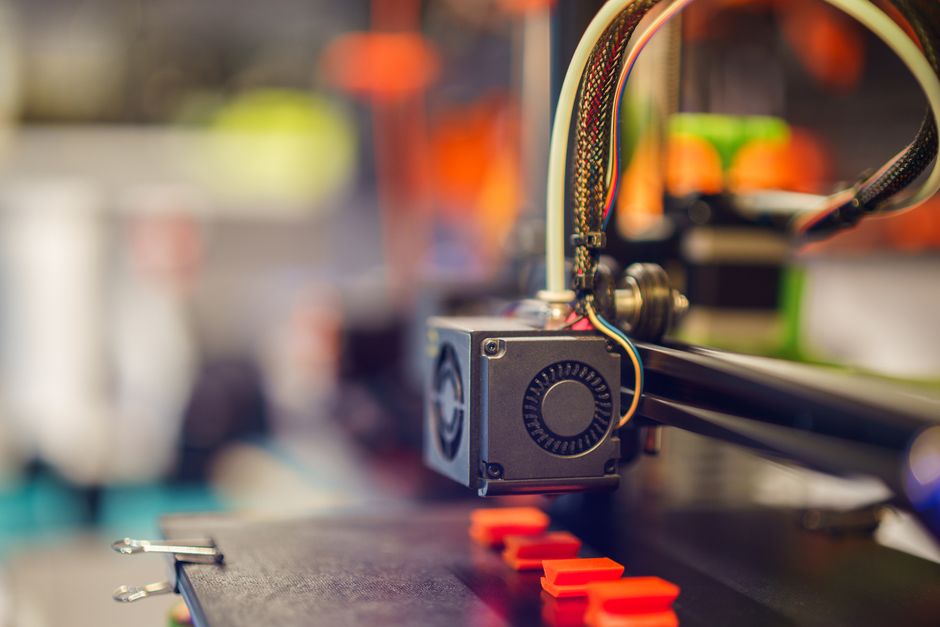
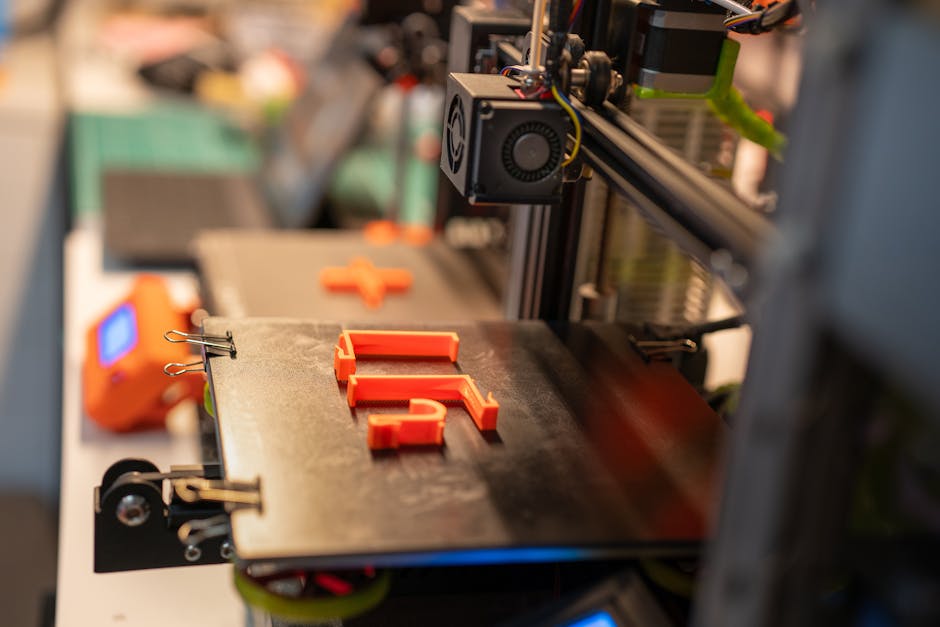
In today’s fast-paced manufacturing landscape, staying ahead of technological advancements is critical. The latest trends in rapid prototyping and low volume production are reshaping traditional manufacturing paradigms, offering unparalleled flexibility and efficiency. According to AME-3D's expert insights, UltiMaker's S-series and HLH quick exemplify the transformation driving this industry forward. These advanced technologies not only enhance speed but also significantly improve the quality of prototypes and finished products. For instance, UltiMaker’s S510 platform is equipped with a robust material extrusion system that can handle a wide range of materials, from rigid PLA to flexible TPU, making it ideal for diverse prototyping needs. The material flexibility ensures that designers can create both functional and aesthetic prototypes, thus streamlining the product development process.
The significance of these advancements cannot be overstated. Rapid prototyping is no longer just about speed; it's about achieving optimal design outcomes with minimal material waste and energy consumption. For example, manufacturers can now produce complex geometries that would have been impossible with traditional methods, leading to more innovative product designs. This has a profound impact on supply chains, as companies can quickly adapt to market demands without significant upfront costs or lead times. Consider the automotive industry, where rapid prototyping allows for rapid iteration and validation of design concepts before committing to full-scale production. This not only accelerates time-to-market but also reduces the risk associated with launching new products.
Another significant advantage is cost reduction. With higher tolerances and more durable materials, manufacturers can reduce rework and scrap rates, ultimately lowering overall production costs. For instance, a study by Deloitte indicates that companies using 3D printing in their prototyping phase can achieve up to 50% cost savings compared to traditional methods. Additionally, the accessibility of these technologies means that smaller businesses or startups can now compete on a level playing field with larger corporations. This democratization of advanced manufacturing technologies is driving innovation and fostering a more competitive market environment.
The sustainability aspect of rapid prototyping cannot be ignored. By reducing waste and energy consumption, 3D printing plays a crucial role in addressing environmental concerns. For instance, the use of recycled materials in 3D printing can significantly minimize e-waste and promote a circular economy. Companies like HP have launched initiatives to recover and repurpose end-of-life electronics for use in 3D printing, thereby reducing landfill waste and promoting sustainable practices.
In line with these advancements, Elk Valley 3D offers premium materials and unparalleled service to cater to the evolving needs of manufacturers. Our high-purity powders and advanced sintering processes ensure that every component is both precise and durable. For instance, our proprietary sintering process can achieve a surface finish comparable to injection molding, making it suitable for applications requiring aesthetic appeal as well as functionality. Furthermore, our White-Glove Service provides end-to-end support, from initial design consultation to final product delivery, ensuring a seamless experience for all clients.
For example, we recently worked with a medical device manufacturer who was facing challenges in producing intricate surgical instruments. By leveraging Elk Valley 3D’s advanced prototyping capabilities, they were able to iterate designs more rapidly and achieve superior precision than with traditional methods. This not only sped up their product development timeline but also improved the quality of their final products, ultimately enhancing patient care.
Another key aspect is our commitment to innovation and continuous improvement. We collaborate closely with leading technology partners like UltiMaker to ensure that our solutions remain at the forefront of industry trends. For instance, our partnership with UltiMaker allows us to integrate the latest materials and software advancements into our services, providing clients with state-of-the-art tools for their prototyping needs.
The impact of these innovations extends beyond just manufacturing processes. They also have significant implications for supply chains, product development cycles, and overall business strategies. Companies that embrace rapid prototyping and low volume production technologies can gain a competitive edge by being more agile and responsive to market demands. For instance, a recent report by McKinsey & Company highlights how early adoption of 3D printing in prototyping can lead to substantial improvements in supply chain resilience and flexibility.
In conclusion, the future of manufacturing is being redefined by rapid prototyping and low volume production advancements. As we look ahead, it’s clear that Elk Valley 3D will continue to play a pivotal role in shaping this landscape, delivering innovative solutions that drive efficiency and sustainability across industries. Join us at the forefront of technological progress and stay ahead of the curve.
📅 Latest Industry Update
Redefining Manufacturing with Cutting-Edge Rapid Prototyping & Low Volume Production
The recent advancements in 3D printing technology have significantly transformed the landscape of rapid prototyping and low volume production. For instance, Petoi's Quaddle robot represents a major leap forward in affordability and capability for quadruped robots, making complex robotic designs accessible to a broader audience. This development is particularly noteworthy as it showcases how 3D printing can democratize access to advanced manufacturing technologies. The underlying technology behind the Quaddle involves multi-material extrusion and precise layer-by-layer deposition, enabling intricate mechanical structures and electronic components to be integrated seamlessly into a single build process. Such capabilities are crucial for small-scale manufacturers who need rapid prototyping solutions that can quickly iterate on designs without incurring high costs associated with traditional manufacturing methods.
The implications of these advancements extend beyond just the hobbyist or maker community; they have profound effects on industries ranging from automotive to medical device production. For example, VoxelMatters News highlights how 3D printing is driving innovation by enabling faster development cycles and reduced material waste in low volume production runs. This is particularly relevant for small producers who can now quickly prototype complex parts and test their designs without the need for expensive tooling or lengthy lead times. The ability to produce customized, high-quality parts on-demand also opens up new markets for personalized products, such as prosthetics or custom medical devices, where traditional manufacturing methods are either too costly or impractical.
For makers and small producers, these advancements mean a shift towards more flexible and efficient production processes. With the ability to rapidly prototype and produce low volumes of parts in-house, businesses can reduce their reliance on external suppliers and缩短供应链的响应时间。这种灵活性不仅提高了生产效率,还增强了企业的市场竞争力。通过利用3D打印技术,制造商可以更快地推出新产品,并根据市场需求进行快速调整。这为小规模生产商提供了一个巨大的机会,使他们能够在竞争激烈的市场中脱颖而出。
The integration of AI in 3D printing further enhances its utility for makers and small producers by optimizing print paths and material usage, significantly reducing waste and improving build quality. For instance, AI-driven slicing software can analyze complex geometries and automatically adjust layer heights and infill patterns to minimize material consumption while maintaining structural integrity. This not only lowers costs but also speeds up the production process, making 3D printing an even more attractive option for small-scale manufacturing. Moreover, cloud-based collaboration tools allow designers to share and iterate on designs in real-time, fostering a global community of makers who can leverage each other's expertise to develop innovative products more efficiently.