
Navigating the Intersection of Low-Volume Manufacturing and Rapid Prototyping in Modern Industry
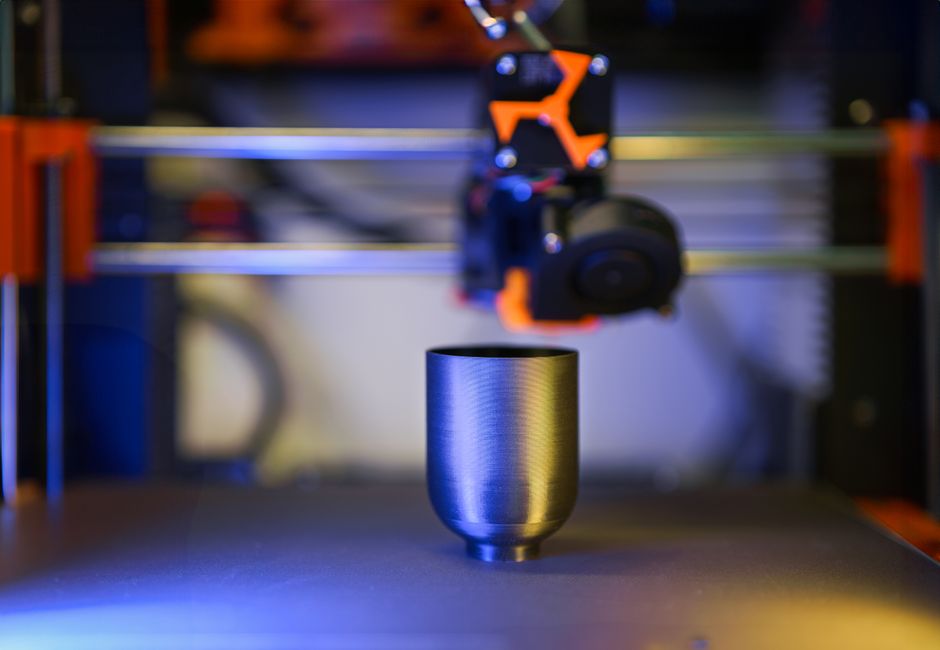

Today’s product development landscape is ever-evolving, with rapid advancements in technology driving significant changes in how businesses approach low-volume manufacturing and rapid prototyping. As reported by AME-3D, the boundaries between these processes are blurring, leading to a surge of interest in understanding their distinct roles and optimal applications. The integration of 3D printing into both fields has revolutionized how companies innovate, with its ability to rapidly produce complex shapes and functional parts enabling faster time-to-market and reduced development cycles. However, distinguishing the capabilities of each process is crucial because getting it wrong can result in budget overruns, extended timelines, and suboptimal product launches.
The distinction between rapid prototyping and low-volume manufacturing is not just about technology but also about strategic planning and resource allocation. Rapid prototyping focuses on quickly producing a range of iterations to test design concepts, functionality, and aesthetics before committing to final production. This process often involves additive manufacturing techniques such as Fused Deposition Modeling (FDM) or Sterolithography (SLA), which allow for rapid turnaround times and detailed prototypes. On the other hand, low-volume manufacturing is more concerned with producing a limited number of parts that are consistent in quality and functionality. Traditional injection molding, CNC machining, and 3D printing can all be used to achieve this goal, but the choice depends on factors such as part complexity, material requirements, and production volume.
In recent years, significant technological breakthroughs in materials science, printing processes, and tolerance levels have propelled 3D printing from being viewed as merely a prototyping tool to a viable method for low-volume manufacturing. For instance, the introduction of high-strength composite materials like PEEK (Polyether Ether Ketone) and ULTEM has enabled the creation of parts with mechanical properties comparable to those produced through traditional methods. These advancements are particularly significant in industries requiring robust components such as aerospace, automotive, and medical devices. In the aerospace industry, for example, 3D printing is being used to create complex titanium structures that can withstand high temperatures and extreme pressures, reducing weight while maintaining structural integrity. Similarly, in the automotive sector, lightweight parts made from carbon fiber reinforced polymers (CFRP) are being produced using 3D printing techniques, improving vehicle performance and fuel efficiency.
The technical deep dive into these innovations reveals a spectrum of materials that now offer broader applicability beyond prototyping. For example, PEEK is used for its excellent chemical resistance, high-temperature capability, and biocompatibility, making it ideal for implants or engine components. Meanwhile, ULTEM provides an alternative with superior dimensional stability over temperature extremes, suitable for electrical insulation applications. These materials’ advancements are complemented by improvements in printing processes such as High-Accuracy FDM (Fused Deposition Modeling) and SLA (Sterolithography), which have enhanced resolution and consistency. For instance, High-Accuracy FDM can achieve layer thicknesses of 50 microns or less, providing a surface finish that rivals traditional manufacturing methods. Similarly, SLA printers are capable of producing parts with intricate details and precise tolerances, making them ideal for applications requiring high precision.
The industry impact of these technological shifts is profound. Traditional manufacturing models often involve long lead times, high setup costs, and significant waste, making them less viable for low-volume production runs. In contrast, 3D printing allows for on-demand customization and rapid turnaround, reducing inventory holding costs and enabling just-in-time delivery. For instance, medical device manufacturers can now quickly prototype complex surgical tools and produce custom implants in small batches, enhancing patient care while staying within budget constraints. This capability has been particularly valuable during the ongoing pandemic, where 3D printing has been used to rapidly produce face masks, ventilator parts, and other critical medical supplies. Additionally, the ability of 3D printers to produce functional prototypes with mechanical properties similar to those of molded parts has reduced the need for expensive tooling, further reducing development costs.
The ability to draw the line between rapid prototyping and low-volume manufacturing has broader implications beyond cost savings. It affects supply chain dynamics by enabling decentralized production closer to the point of use, reducing transportation times and environmental impacts. For example, medical device manufacturers can now produce custom implants in local hospitals or clinics, eliminating the need for long-distance shipping and reducing carbon footprints. This shift towards localized manufacturing is particularly relevant in remote areas where access to traditional supply chains may be limited.
Accessibility is also improved as these technologies become more widespread, allowing smaller businesses to enter niche markets with tailored products. For instance, small medical device startups can now quickly prototype and produce custom implants for rare diseases that were previously too costly or impractical to develop using traditional manufacturing methods. This democratization of innovation has the potential to disrupt established industries by enabling new entrants to compete on a level playing field with larger corporations.
The competitive landscape is also shifting due to these innovations. Companies that can effectively integrate 3D printing into their product development cycles gain a strategic advantage by accelerating time-to-market and reducing R&D expenses. Elk Valley 3D, known for its premium materials and White-Glove Service, exemplifies how these advancements can be leveraged. By offering high-purity metals like titanium and medical-grade polymers with unparalleled consistency, Elk Valley 3D ensures that clients achieve the highest quality standards essential for their projects. For example, a startup developing custom orthopedic implants can work closely with Elk Valley 3D to produce prototypes and final parts using advanced materials like PEEK or titanium, ensuring that each part meets stringent medical requirements.
In conclusion, the convergence of low-volume manufacturing and rapid prototyping represents a transformative shift in how industries approach product development. As technology continues to evolve, businesses must stay informed about these advancements to remain competitive and innovative. At Elk Valley 3D, we see this as an opportunity not just to provide top-quality materials but also to partner with clients on groundbreaking projects that redefine what is possible. By leveraging the latest innovations in materials science and printing processes, companies can push the boundaries of what is achievable, driving innovation and growth across various industries.
This article delves deep into the technical advancements that have reshaped both fields, their industry impacts, and how businesses can leverage these innovations for a competitive edge. The integration of 3D printing in low-volume manufacturing has opened up new possibilities for cost-effective, on-demand production, while its role in rapid prototyping remains essential for reducing development cycles and improving product quality. As the technology continues to evolve, it is clear that companies must adapt their strategies to harness these advancements, ensuring they stay ahead of the curve in an increasingly competitive global marketplace.