
Navigating the Complexities of Low-Volume Manufacturing vs Rapid Prototyping
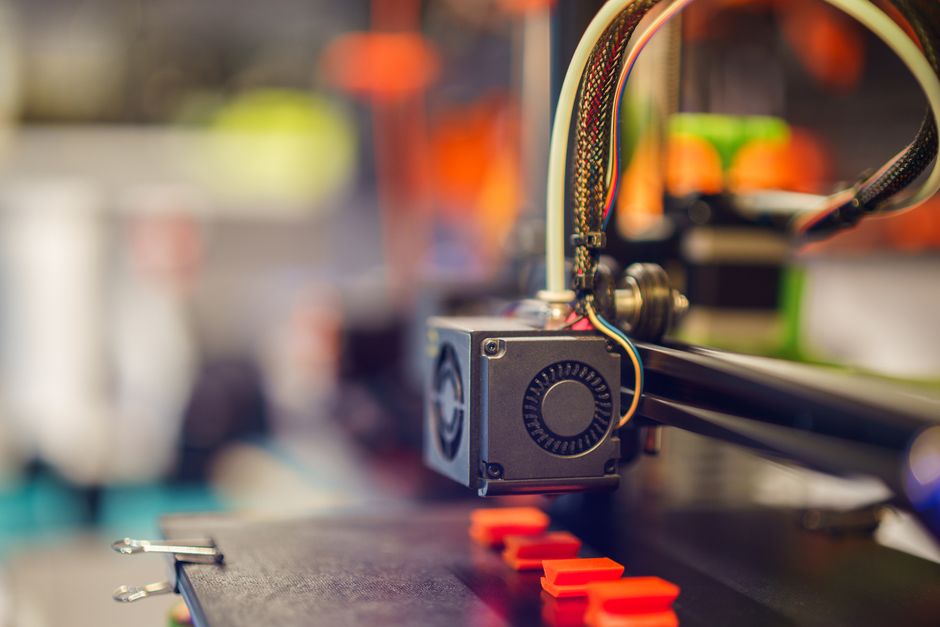

As reported by AME-3D, staying informed about the latest trends in product design and manufacturing is crucial for businesses navigating today’s complex industrial landscape. In recent years, the distinction between low-volume manufacturing (LVM) and rapid prototyping has become increasingly blurred, leading to significant challenges for procurement teams and lead engineers. This article delves into the intricacies of these processes, highlighting their technical advancements and real-world implications. The integration of 3D printing technologies in both LVM and rapid prototyping is revolutionizing how businesses approach product development, ensuring faster iterations and more precise designs.
According to Kaiao-Rprt, the key differentiators lie in the materials, processes, and tolerances involved. For instance, advanced 3D printing technologies now offer unparalleled precision and material diversity, making them indispensable for both prototyping and limited production runs. These advancements have redefined what is feasible at each stage of product development. Traditional rapid prototyping often relied on lower-cost methods such as fused deposition modeling (FDM), which was suitable for initial design validation but lacked the necessary mechanical properties for functional testing or small-scale production. In contrast, 3D printing technologies like Selective Laser Sintering (SLS) and Direct Metal Laser Sintering (DMLS) have significantly improved in terms of both accuracy and material options. For example, SLS can produce parts with complex geometries using nylon, polyamide, or even metals, while DMLS allows for the production of intricate metal components with high mechanical strength, making it ideal for applications where traditional methods fall short.
Technically speaking, AME-3D reports that significant strides have been made in materials science, with the introduction of new filaments and resins capable of producing parts with superior mechanical properties. For example, high-purity polymers like PEEK now offer a blend of strength and flexibility previously unattainable through conventional methods. Additionally, advancements in laser technologies and photopolymers have expanded the range of applications for 3D printing, from medical implants to aerospace components. The use of PEEK in medical devices is particularly noteworthy due to its biocompatibility and ability to withstand high temperatures, making it suitable for implants that need to function within the human body without degradation. In the aerospace industry, materials like ULTEM can be used to create lightweight yet robust parts, reducing fuel consumption and improving overall aircraft performance.
The AME-3D article further highlights that these technical breakthroughs are reshaping low-volume manufacturing and rapid prototyping. For instance, companies like Apple now rely on 3D printing for creating unique, one-off prototypes that can rapidly iterate design changes without the time and cost associated with traditional tooling. Similarly, small-scale medical device manufacturers benefit from LVM to produce customized implants or test batches before full-scale production. The ability to quickly prototype and make adjustments based on real-world feedback is crucial in these industries. For example, a dental lab might use 3D printing to create patient-specific orthodontic appliances, allowing for precise fit and comfort that traditional methods cannot match.
Moreover, these advancements have profound implications beyond just manufacturing processes. Cost structures are being re-evaluated as 3D printing reduces material waste and allows for more flexible design iterations. Accessibility is also improving, with more companies adopting 3D printers in their R&D departments. Sustainability gains from reduced material use and shorter production cycles are becoming increasingly significant, aligning with broader environmental goals. For instance, a furniture manufacturer might use 3D printing to prototype a new chair design before committing to expensive tooling, significantly reducing the amount of raw materials needed and minimizing waste. This approach not only saves costs but also contributes to more sustainable business practices.
At Elk Valley 3D, we leverage these innovations to offer premium materials and White-Glove Service tailored to our clients' needs. Our high-purity polymers and advanced composites ensure that every part meets the highest standards of quality and reliability. Our dedicated team provides end-to-end support, from design consultation to final production, ensuring seamless integration into your supply chain. For example, we work closely with automotive manufacturers who require lightweight yet durable components for prototypes or small-scale production runs. By using advanced 3D printing techniques like Fused Deposition Modeling (FDM) and Stereolithography (SLA), we can produce parts that meet stringent performance criteria while maintaining the flexibility to make rapid design changes.
In conclusion, as the lines between low-volume manufacturing and rapid prototyping continue to blur, businesses must stay informed and adaptable. Elk Valley 3D stands at the forefront of these advancements, committed to providing top-tier solutions that drive innovation and efficiency in product development. By staying on the cutting edge of technology and understanding the unique needs of our clients, we help them navigate the complexities of modern manufacturing processes with ease and precision.