
Navigating Low-Volume Manufacturing vs Rapid Prototyping: Where Does One End and the Other Begin?
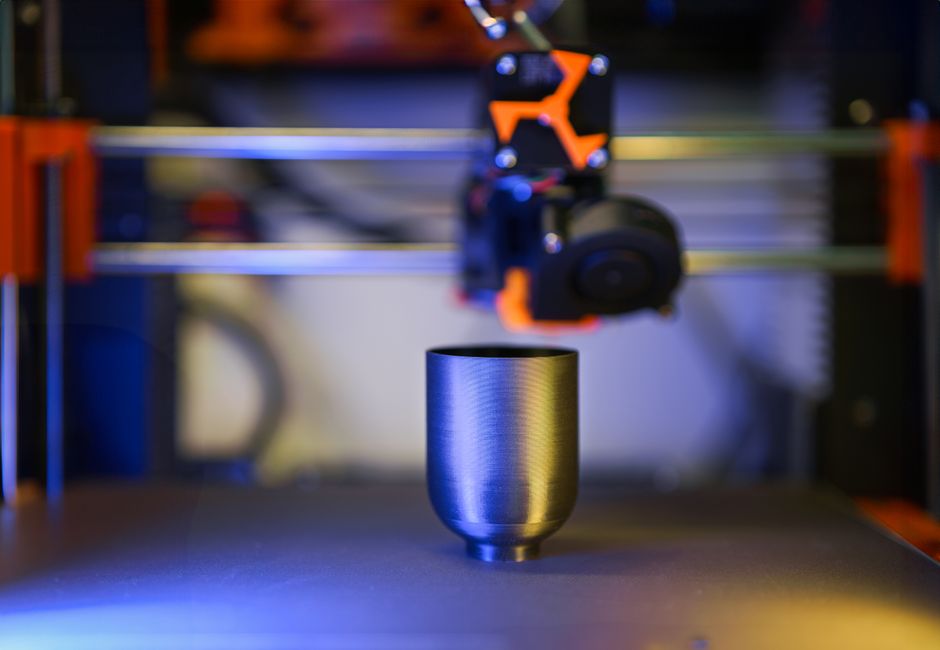

As we witness the rapid evolution of 3D printing technologies, defining the boundaries between low-volume manufacturing and rapid prototyping has become more critical than ever. Industry professionals often find it challenging to distinguish these two processes due to their overlapping capabilities and applications. According to AME-3D, this distinction is crucial for maintaining project efficiency and financial prudence in product development. In the past, rapid prototyping was primarily focused on quick iteration cycles where design concepts were tested with minimal investment, often using lower-cost materials like PLA (Polylactic Acid) or ABS (Acrylonitrile Butadiene Styrene). However, as additive manufacturing technologies have advanced, the line between what is considered prototyping versus low-volume production has become increasingly blurred. This shift necessitates a more nuanced approach to project planning and decision-making.
The grey areas between low-volume production, which involves creating a limited number of parts with high consistency, and rapid prototyping, aimed at quickly testing design concepts, can lead to significant missteps. Misidentifying the requirements can result in unnecessary costs or delays as teams struggle to balance the need for speed against the requirement for precision and repeatability. For example, consider a medical device manufacturer that needs to test multiple iterations of a product before finalizing its design. Initially, rapid prototyping might seem like the most cost-effective solution due to lower material costs. However, if the prototypes require rigorous quality control measures, this approach could quickly become impractical and expensive.
Advancements in 3D printing materials and processes have significantly blurred these lines. For instance, Kaiao-Rprt highlights improvements in material strength and consistency that now allow for both prototyping and limited production runs using the same equipment. Take, for example, high-performance polymers such as PEEK (Polyether Ether Ketone) which can offer mechanical properties comparable to metals but with faster turnaround times. This flexibility challenges traditional definitions and necessitates a nuanced approach to project planning where teams must consider not just the number of parts required, but also the quality standards needed for each phase.
For example, in aerospace applications, components like engine parts or landing gear require stringent quality control measures and high mechanical strength. Using 3D printing technologies, manufacturers can produce these parts with consistent quality while maintaining speed. This is particularly important given the time-sensitive nature of aerospace projects where delays can have significant financial implications. On the other hand, in consumer electronics, rapid prototyping might be more suitable for creating multiple versions of a product to test market response and functionality before mass production.
The impact on low-volume manufacturing cannot be overstated. Companies now have more options than ever before to achieve consistency and speed simultaneously. However, this does not diminish the importance of clear differentiation in terms of process requirements, costs, and timeframes. For instance, a medical device manufacturer might require stringent quality control measures for prototypes but could leverage the same equipment to produce limited batches of test models. In contrast, a consumer goods company might use 3D printing for low-volume production runs to quickly respond to market trends and customer feedback.
Second-order effects such as cost optimization, accessibility, and environmental sustainability are also at play. The ability to switch seamlessly between prototyping and limited production can lead to more efficient use of resources, reducing waste and lowering overall costs. For example, a company might start with rapid prototyping using cheaper materials but then transition to low-volume manufacturing using higher-cost but more durable materials as the product nears finalization. Additionally, advancements in additive manufacturing have made it increasingly accessible for small- and medium-sized enterprises (SMEs) previously limited by budget constraints to explore rapid prototyping and low-volume production.
At Elk Valley 3D, we leverage these cutting-edge technologies to provide our clients with a premium White-Glove Service that ensures both the highest quality materials and seamless integration of processes. Our commitment to innovation means that we can deliver on-demand solutions for complex projects, whether they require rapid prototyping or low-volume production runs. We understand the intricacies involved in deciding between these two processes and work closely with our clients to ensure their specific needs are met efficiently.
Looking ahead, as 3D printing technologies continue to evolve, the lines between these processes will only become more blurred. However, staying informed and prepared to navigate this landscape is key for businesses looking to stay competitive in today's rapidly changing manufacturing environment. At Elk Valley 3D, we are committed to being at the forefront of these technological advancements, helping our clients to achieve their goals with precision and efficiency. Whether it’s rapid prototyping or low-volume production, our team can provide tailored solutions that meet your unique requirements.