
Low-Volume Production’s Innovative Applications in 3D Printing - Revolutionizing Manufacturing
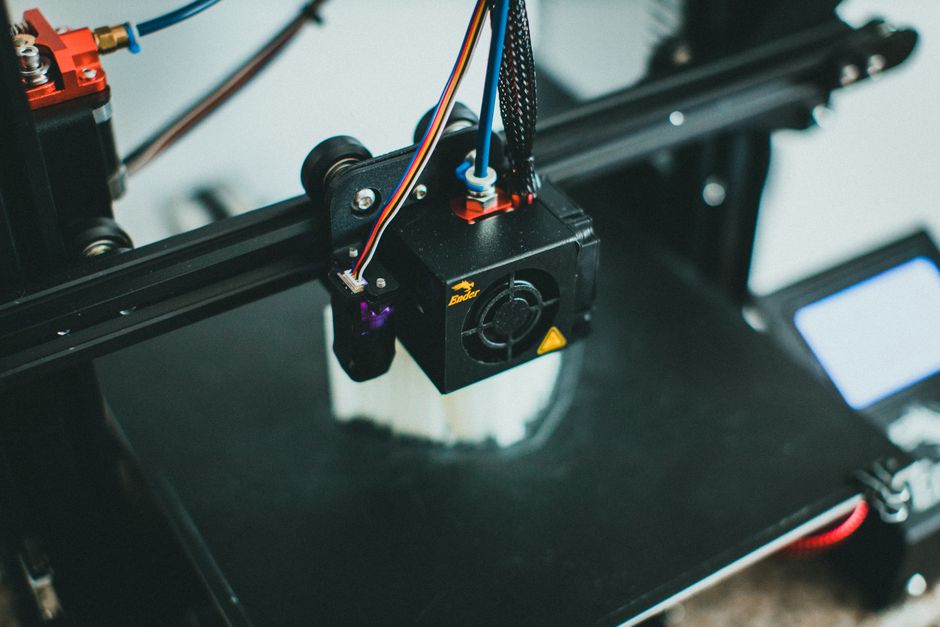
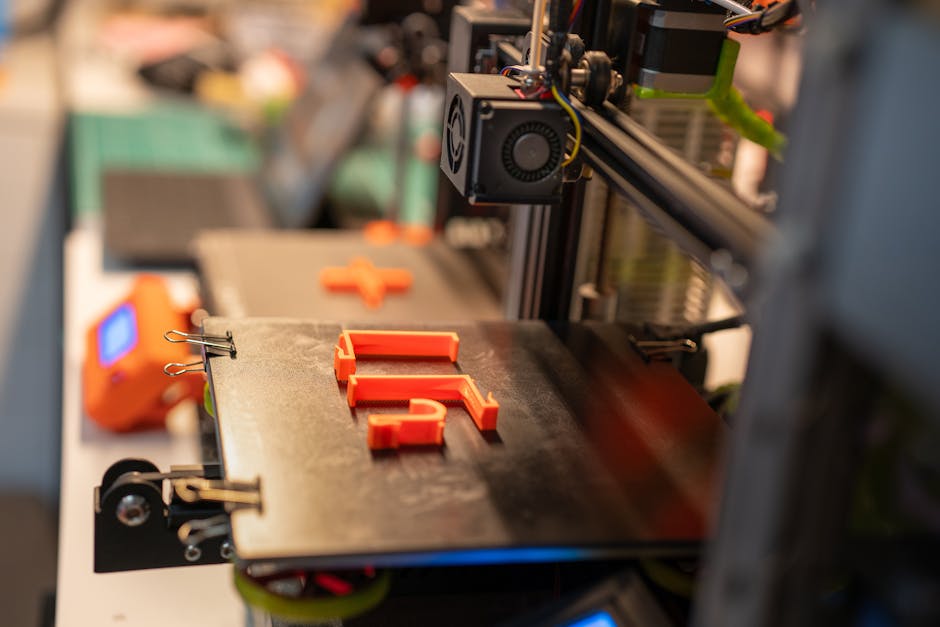
In today's competitive manufacturing landscape, where global economies are grappling with slow growth and increasing costs, companies are turning to strategic solutions that allow them to reduce development risks and quickly validate markets. One such solution is low-volume production, driven by advancements in 3D printing technology as highlighted by recent articles from 3Dnatives and LuxCreo. This approach is not only reshaping how products are developed but also transforming the way industries operate, making it imperative for B2B clients to understand these developments. By leveraging 3D printing, manufacturers can achieve rapid prototyping and efficient production of small batches without the need for extensive upfront investments in molds and tooling.
The shift towards low-volume production using 3D printing has significant implications for businesses across various industries. For instance, in the automotive sector, traditional manufacturing methods often require substantial capital investment to set up assembly lines and produce large quantities of parts. However, with advancements in additive manufacturing, companies can now test new designs or custom components on a small scale before committing resources to full-scale production. This approach not only reduces financial risks but also accelerates time-to-market for innovative products.
Furthermore, low-volume production facilitated by 3D printing enables greater flexibility and customization. In the medical industry, this technology has revolutionized the development of personalized prosthetics and implants. For example, a manufacturer can use 3D scanning techniques to create a precise digital model of a patient's limb or joint, which is then printed into a custom-fit device. This level of personalization was previously impractical with traditional manufacturing methods due to high costs and long lead times.
Traditional manufacturing methods often require significant upfront investments in molds and tooling. These costs can be prohibitive for small-scale or highly customized projects. However, 3D printing offers a mold-free, highly flexible alternative that reduces such barriers. According to the article from 3Dnatives, this technology plays a central role in enabling companies to bridge the 'last mile' from prototype to true mass application. The ability to quickly and cost-effectively produce small batches of parts or components is transforming low-volume manufacturing.
The technical advancements in 3D printing have been significant. As reported by LuxCreo, modern 3D printers can now handle a wide range of materials with improved tolerances and surface finishes, extending their capabilities from prototyping to limited production runs. Innovations like MultiJet Fusion technology allow for faster print speeds while maintaining high resolution and material properties, making it suitable for functional prototypes that need to be tested in real-world conditions. Additionally, the integration of advanced software tools has enhanced design freedom, allowing engineers to create complex geometries with ease.
For example, a company developing an electronic device might use 3D printing to rapidly prototype circuit boards and enclosures. These parts can then be rigorously tested for functionality and durability before finalization. The ability to iterate quickly based on feedback is invaluable in this process. Another instance could be a fashion brand that uses 3D printing to produce small batches of customized jewelry or accessories, ensuring that each piece is tailored precisely to individual customer preferences.
The impact on low-volume manufacturing is profound. Companies can now test their products in the market without substantial financial risk and quickly iterate based on customer feedback. For instance, a medical device manufacturer might use 3D printing to produce custom prosthetics for patients, ensuring that each piece is tailored precisely to individual needs. Similarly, automotive companies are leveraging this technology to create small batches of parts for validation before committing to full-scale production.
The second-order effects of these advancements include cost savings, accessibility, and sustainability. By reducing the need for traditional molds and tooling, 3D printing can significantly lower overall costs. It also democratizes manufacturing by enabling smaller businesses to compete with larger corporations that previously had exclusive access to these resources. Moreover, the ability to produce only what is needed reduces waste, aligning with broader sustainability goals.
Elk Valley 3D recognizes the importance of these innovations and offers premium materials and a White-Glove Service tailored to meet the demands of low-volume production. Our advanced 3D printers utilize state-of-the-art technologies like MultiJet Fusion, ensuring high-quality prints that can be used for both prototyping and small-scale manufacturing runs. We understand that every project is unique, which is why our team works closely with clients to provide bespoke solutions that align with their specific needs.
In conclusion, the advancements in 3D printing technology are driving significant changes in low-volume production, rapid prototyping, and supply chains. As these technologies continue to evolve, they will undoubtedly have a broader impact on manufacturing as a whole. At Elk Valley 3D, we stand at the forefront of this innovation, offering clients the tools and support needed to thrive in an increasingly complex market.