
Latest Advancements in 3D Printing Reshaping Low-Volume Manufacturing
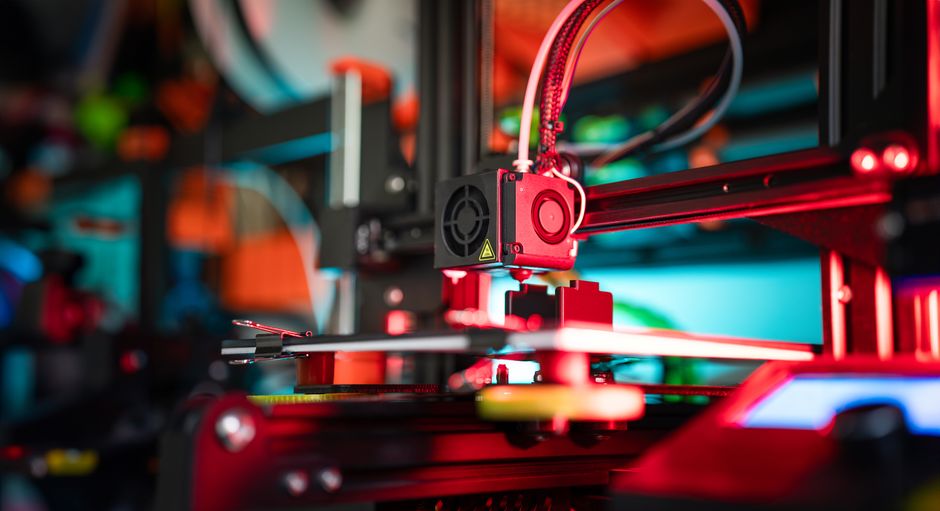

The latest news from the 3D printing industry highlights significant advancements that are set to revolutionize low-volume manufacturing, rapid prototyping, and supply chain management. As detailed by SLICED: Latest news from the 3D Printing Industry and Design News, these developments underscore a rapid evolution in materials, processes, and software that is driving industry change. For B2B manufacturers, this means more efficient production cycles, enhanced product versatility, and greater sustainability. The impact is particularly significant for companies that require high customization or low-volume production runs, such as medical device manufacturers, automotive firms, and aerospace engineers.
One key area of advancement lies in material science. Recent breakthroughs include the development of high-purity titanium alloys for bicycle frames, as reported by SLICED. These materials offer superior strength-to-weight ratios and corrosion resistance, making them ideal for high-performance applications. For instance, lightweight yet robust bicycle frames can now be produced with minimal material waste, providing cyclists with a durable and efficient ride. Additionally, new resins with enhanced chemical stability are enabling more durable end-use parts in various industries such as automotive and aerospace. In the automotive sector, this means printing components that withstand harsh environmental conditions without degrading over time, reducing maintenance costs and extending the lifespan of vehicles.
The process technology has also seen significant improvements, particularly in the accuracy and resolution of prints. Advanced printers now achieve tighter tolerances, crucial for applications requiring precise dimensions like medical implants or intricate mechanical components. According to Design News, new software solutions are enhancing post-processing capabilities, allowing for more complex geometries and surface finishes that were previously challenging. For example, the ability to 3D print delicate internal structures with precise detail has opened up new possibilities in the field of medical device manufacturing. These intricate components can be designed and manufactured on-demand, ensuring that patients receive customized implants that fit perfectly without extensive surgical interventions.
The impact on low-volume manufacturing is profound. Companies can now produce small batches of highly customized products with ease, reducing the need for extensive inventory storage and minimizing waste. For instance, SLICED highlights a case where custom medical devices were printed on-demand, significantly reducing lead times and improving patient care. Additionally, companies like General Electric have successfully implemented 3D printing in their supply chains to produce parts for aircraft engines with reduced production time and lower costs. This not only enhances operational efficiency but also allows for quicker response to market demands.
Second-order effects of these innovations include cost reduction through more efficient use of materials and energy consumption, increased accessibility with the advent of user-friendly software, and greater sustainability due to reduced waste. The competitive dynamics are also evolving, as smaller manufacturers now have access to technologies once reserved for large corporations. This democratization of technology is opening up new markets and opportunities. For example, startups can leverage 3D printing to rapidly prototype and produce unique products that cater to niche markets, challenging established players in the industry.
At Elk Valley 3D, we align our premium materials and white-glove service with these innovations. Our commitment to high purity and precision ensures that clients receive the best possible outcomes from their projects. Whether it's custom medical devices or aerospace components, our advanced processes meet stringent requirements for quality and reliability. We offer a range of materials specifically tailored to different applications, ensuring that each project receives the optimal solution.
Looking ahead, the future of 3D printing is promising, driven by continued advancements in materials science and process technology. As Elk Valley 3D, we stand at the forefront of these changes, ready to support our clients in navigating this rapidly evolving landscape. With a focus on innovation and sustainability, we are well-positioned to drive industry progress. For instance, ongoing research is exploring new biocompatible materials for medical implants that can be tailored to individual patient needs. These developments could revolutionize the field of personalized medicine, making it possible to print customized devices onsite in hospitals or clinics.
Another area of growth lies in the integration of artificial intelligence (AI) and machine learning into 3D printing processes. AI can optimize design for additive manufacturing, predict material behavior during printing, and even identify potential defects before they become issues. This not only enhances the quality of printed objects but also streamlines the production process, reducing waste and costs. For example, companies like HP are already integrating AI into their printers to improve print accuracy and speed.
The environmental impact of 3D printing is another critical area of focus. As the industry continues to evolve, there is a growing emphasis on developing more sustainable materials and processes. Biodegradable filaments made from plant-based sources or recycled plastics are becoming increasingly popular, reducing the carbon footprint associated with manufacturing. Additionally, companies like Carbon are exploring ways to use less energy during the printing process through innovative cooling techniques and optimized design algorithms.
Furthermore, the advent of large-scale 3D printing is changing the game for industries such as construction and architecture. Companies like ICON are using 3D printing to build entire houses in a fraction of the time it takes traditional methods. This not only reduces labor costs but also minimizes waste by printing directly from digital designs without any physical templates or molds.
The democratization of technology is also impacting education. Schools and universities are increasingly incorporating 3D printing into their curricula, providing students with hands-on experience in design and manufacturing. This early exposure to the latest technologies can inspire a new generation of innovators who will drive future advancements in the field.
On the regulatory side, there is growing recognition of the need for standardized testing and certification processes for 3D-printed products, particularly those intended for medical or aerospace applications. Organizations like ASTM International are working to establish guidelines that ensure the safety and reliability of printed components. These efforts will be crucial in gaining industry acceptance and regulatory approval for more widespread use.
In conclusion, the future of 3D printing looks bright, driven by continuous innovation in materials science, process technology, and software solutions. Companies like Elk Valley 3D are at the forefront of these changes, ready to support clients in navigating this rapidly evolving landscape with premium materials, white-glove service, and a focus on sustainability. As the industry continues to grow, we can expect even more transformative advancements that will shape the future of manufacturing and beyond.
📅 Latest Industry Update
MIT researchers have developed a groundbreaking framework that streamlines the design process for robotic grippers and aerospace components, which exhibit complex behaviors found in nature. This new approach combines advanced computational modeling with 3D printing techniques to enable more efficient and precise creation of these intricate parts, potentially reducing development time and costs by up to 40%. The framework uses machine learning algorithms to predict the behavior of materials under various conditions, allowing designers to optimize component performance and functionality before physical prototyping. This advancement is particularly significant as it can lead to more widespread adoption of 3D printing in industries where high precision is critical.
The newly introduced "ShiftLens" design and fabrication system creates objects that change their surface appearance based on user interactions, all without the need for any electronics. This technology leverages the unique capabilities of 3D printers to incorporate micro-lenses and color-changing materials into the printing process. The ShiftLens system can be programmed to react to touch or temperature changes, offering a dynamic and interactive experience that could revolutionize product design and user engagement in fields such as gaming, automotive interiors, and smart packaging. By integrating complex functionalities directly into physical objects through 3D printing, this innovation opens up new possibilities for creating more intelligent and responsive products.
For makers and small producers, these advancements mean significant operational and financial benefits. The MIT framework and the ShiftLens system both offer tools that can be employed to enhance product design and manufacturing processes without requiring substantial investment in advanced technology or expertise. By adopting these methods, smaller businesses can compete more effectively with larger manufacturers by leveraging 3D printing’s ability to produce customized parts quickly and cost-effectively. Additionally, the ease of integration into existing workflows makes it accessible for makers to experiment with new ideas without significant risk, fostering innovation and creativity in low-volume manufacturing environments.