
Exploring the Future of Low-Volume Production with IN3DTEC and Raise3D
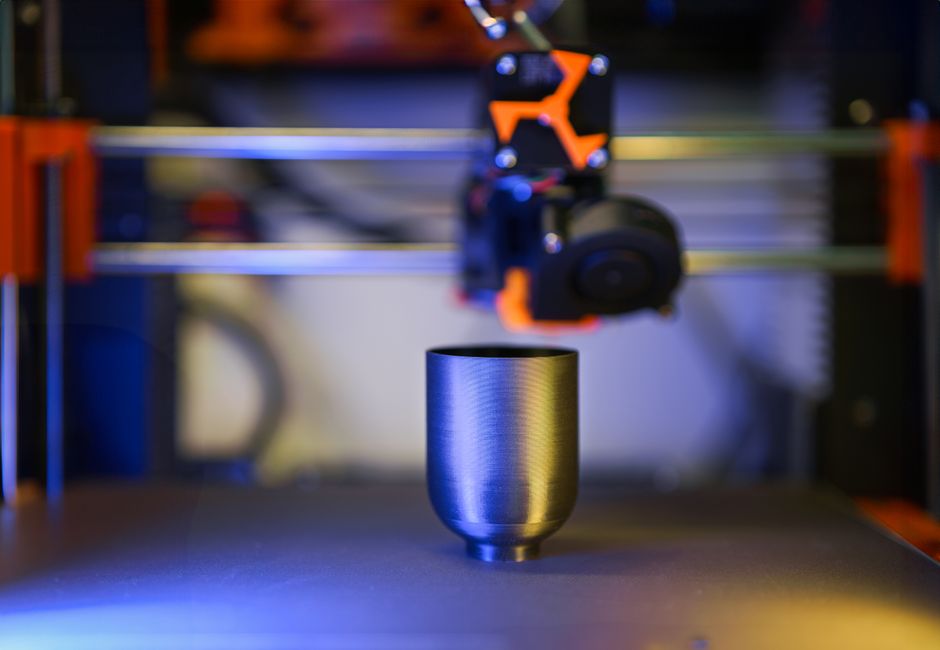
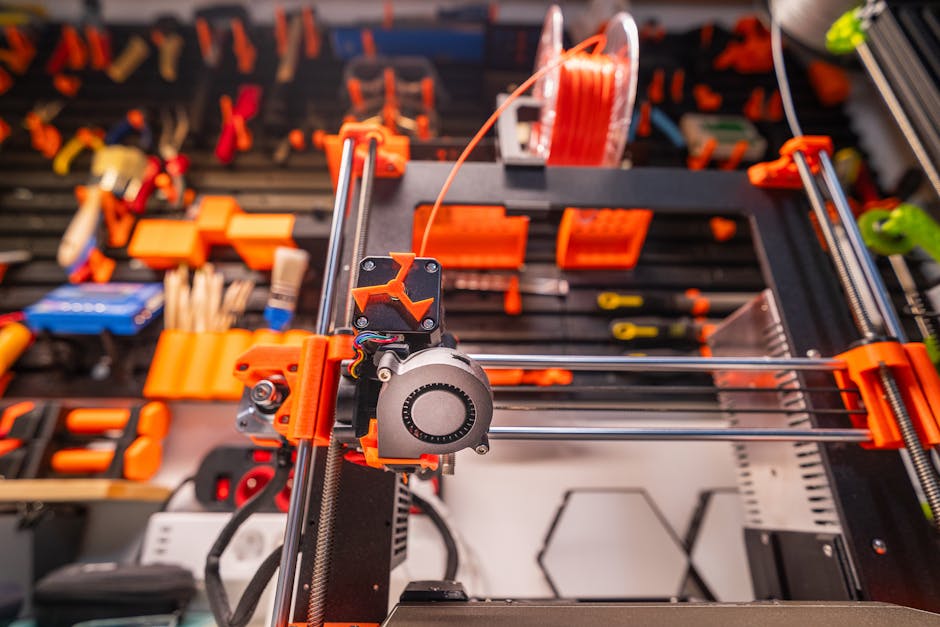
As the global economy experiences slower growth, companies are increasingly turning to low-volume production as a strategic tool to reduce development risks and quickly validate markets. This trend is being driven by advancements in 3D printing technology, which offers significant advantages such as mold-free production, high flexibility, and cost-effectiveness. A recent article on 3Dnatives highlights how IN3DTEC is at the forefront of leveraging these innovations, with a focus on custom and low-volume production applications. Meanwhile, Raise3D emphasizes the reliability and industrial-grade capabilities that make their 3D printers suitable for low-volume manufacturing.
The shift towards low-volume production is not just about reducing costs; it also addresses the challenges of rapid prototyping, supply chain flexibility, and meeting market demands for highly customized products. In this article, we will delve into the technical advancements driving these changes, explore their impact on various industries, discuss broader implications such as cost and sustainability, and finally, explain how Elk Valley 3D aligns with these innovations to provide premium materials and white-glove service to its clients.
Technical Deep Dive:
The advancements in low-volume production are underpinned by significant improvements in 3D printing technology. IN3DTEC, for example, has developed highly customizable and cost-effective solutions that enable businesses to quickly iterate prototypes and bring products to market without the need for traditional molds or lengthy manufacturing processes. The use of advanced materials such as high-purity polymers, metals, and composites allows for greater precision, durability, and functionality in end-use parts.
On a technical level, IN3DTEC’s methods involve combining state-of-the-art additive manufacturing techniques with sophisticated software tools to optimize design processes. They use selective laser sintering (SLS) and direct metal laser scribing (DMLS) for metals, alongside digital light processing (DLP) for resins, all while maintaining high tolerances and surface finishes suitable for functional parts. The integration of these technologies ensures that the resulting products can withstand rigorous testing and real-world usage.
Similarly, Raise3D offers a range of industrial-grade 3D printers designed to handle low-volume production demands. Their True DLP technology provides faster print speeds with high-resolution outputs, making it ideal for producing complex geometries in precise detail. Additionally, their printers support multiple materials and can be configured to work with both engineering resins and metal powders through processes like direct metal printing (DMP). The key here is the ability to produce parts that meet strict quality standards while minimizing wastage and maximizing output efficiency.
The significant changes in these technologies stem from a combination of improved software algorithms, enhanced hardware capabilities, and the development of new materials. For instance, advancements in slicing software have made it easier for designers to create optimized models tailored specifically for 3D printing processes. Hardware improvements include better print heads and extruders that can handle multiple material types seamlessly.
In terms of tolerances, both IN3DTEC and Raise3D have established benchmarks that push the boundaries of what can be achieved with additive manufacturing. They are capable of producing parts with tight dimensional controls and surface finishes suitable for post-processing if necessary. This level of precision is crucial in industries where even small deviations could result in failed products or recalls.
Industry Impact:
The shift towards low-volume production through 3D printing technology has profound implications for various sectors, including automotive, aerospace, medical devices, and consumer electronics. For instance, the healthcare industry can benefit from rapid prototyping to develop custom implants or prosthetics that precisely fit individual patients. In automobile manufacturing, low-volume runs of new parts allow companies to test designs before committing resources to full-scale production.
Rapid prototyping also plays a vital role in supply chain resilience by allowing businesses to respond quickly to changing market conditions or unexpected demand surges. Companies can maintain inventories of common components while using 3D printing to produce custom or specialized parts on an as-needed basis, reducing reliance on external suppliers and lowering overall costs.
A practical example is how IN3DTEC has helped medical device manufacturers develop customized implants that fit each patient's unique anatomy. By leveraging the flexibility of their 3D printing processes, these companies can produce highly personalized devices with high accuracy and consistency, improving patient outcomes while reducing healthcare costs through more efficient use of resources.
On a broader scale, low-volume production driven by 3D printing contributes to supply chain digitization and decentralization. As more manufacturers adopt additive manufacturing, traditional centralized supply chains will be replaced by distributed networks where parts can be printed locally or regionally as needed. This shift not only enhances flexibility but also improves environmental sustainability by reducing transportation needs.
Deeper Implications:
The transition to low-volume production through 3D printing carries several second-order effects that extend beyond immediate cost savings and efficiency gains. One key implication is the democratization of manufacturing capabilities, making it possible for small businesses or startups to enter markets previously dominated by large manufacturers with significant capital investment requirements.
This trend also impacts workforce development as more emphasis is placed on skill sets related to digital design and 3D printing operations rather than traditional manufacturing roles. New job opportunities arise in areas such as 3D model creation, post-processing, and quality control, which require a blend of technical know-how and creative problem-solving skills.
From an environmental perspective, low-volume production aligns with sustainability goals by minimizing waste associated with overproduction or inventory buildup. However, it also raises questions about energy consumption during the printing process and the lifecycle impacts of using certain materials versus traditional manufacturing methods.
Beyond these direct effects, 3D printing opens up possibilities for new business models where companies can offer customized product offerings without incurring high upfront costs. This shift towards on-demand production can lead to increased customer satisfaction as products are tailored precisely to individual preferences and needs.
Elk Valley 3D Alignment:
To stay ahead of these evolving trends, Elk Valley 3D offers a premium approach to materials and service that aligns perfectly with the capabilities highlighted by IN3DTEC and Raise3D. Our commitment to providing high-purity polymers, metals, and composites ensures that our clients have access to top-tier material options for their projects. Through our White-Glove Service, we offer comprehensive support from design consultation to post-processing and quality assurance, ensuring every component meets the highest standards.
Our partnership with Elk Valley 3D enables businesses to leverage advanced additive manufacturing technologies to create innovative solutions tailored to their specific needs. Whether it's developing custom medical devices or prototyping aerospace components, our premium materials and expert service ensure that each project is executed flawlessly from concept through completion. By choosing Elk Valley 3D, clients can trust in a seamless process backed by decades of experience and state-of-the-art technology.
Authoritative Conclusion:
The landscape of low-volume production is rapidly transforming thanks to advancements in 3D printing technologies like those showcased by IN3DTEC and Raise3D. These innovations are not only driving new applications across multiple industries but also reshaping supply chains, workforce dynamics, and environmental considerations. As companies seek more flexible and cost-effective ways to bring their ideas to market, the role of high-purity materials and premium service providers becomes increasingly crucial.
At Elk Valley 3D, we are committed to staying at the forefront of these developments, offering clients a range of cutting-edge materials and unparalleled support. By aligning with industry leaders like IN3DTEC and Raise3D, we ensure that our services remain second-to-none in quality and reliability. As the world continues to evolve, Elk Valley 3D stands ready to help businesses navigate this exciting new era of manufacturing.